Shockwave Therapy at Feet First Podiatry Clinic
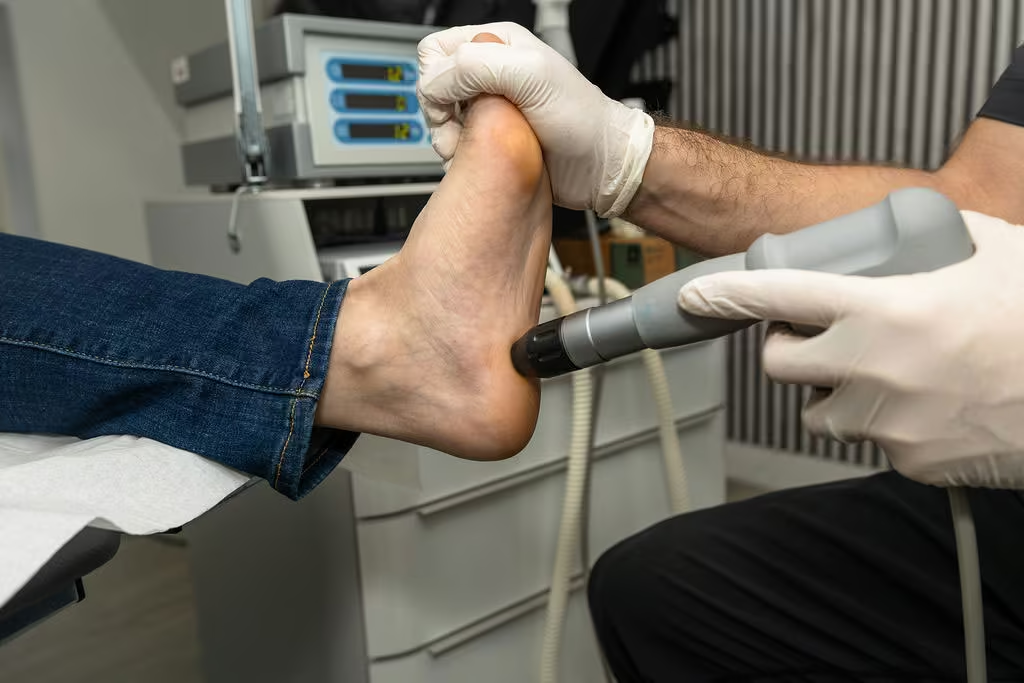
Extracorporeal Shockwave Therapy (ESWT) is a non-invasive treatment that uses targeted sound waves to stimulate healing in injured or overloaded tissues. It is particularly effective for long-standing conditions that have not improved with rest, exercises or standard treatment alone.
Shockwave therapy works by improving blood flow, stimulating tissue repair and reducing pain sensitivity, helping you return to activity more comfortably and quickly.
What Shockwave Therapy is Used For
Shockwave therapy is commonly used to treat:
- Plantar fasciitis and heel pain
- Achilles tendinopathy
- Insertional Achilles pain
- Proximal plantar fasciopathy
- Chronic tendon pain
- Bursitis around the heel or ankle
- Soft tissue overload injuries
- Long-standing sports injuries
It is most effective for conditions that have been present for several months.
How Shockwave Therapy Works
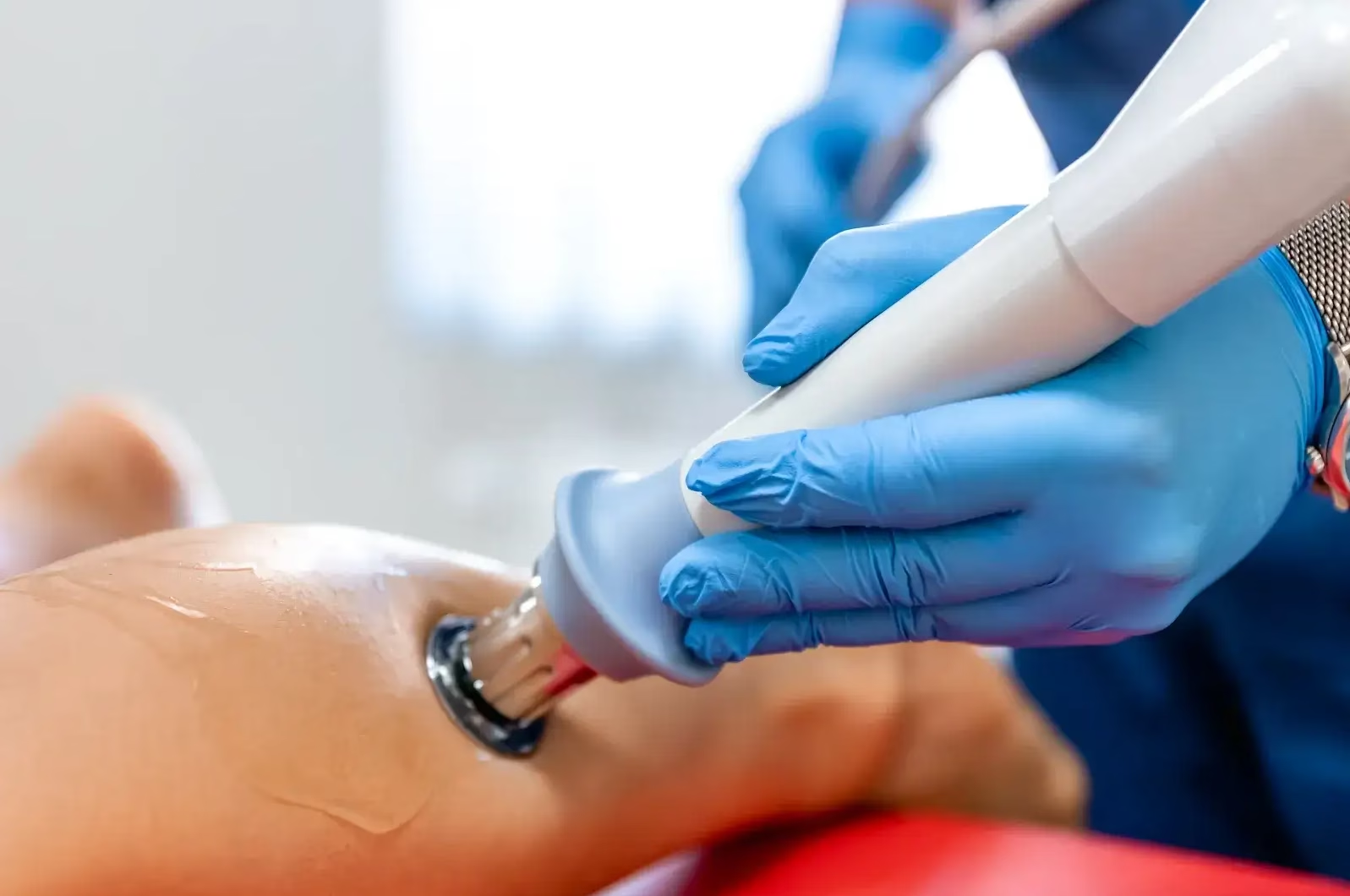
Shockwave therapy delivers controlled acoustic waves to the affected area. These waves:
- Stimulate the body’s natural healing response
- Increase blood flow to damaged tissue
- Encourage tissue regeneration
- Reduce pain sensitivity
- Help break the cycle of chronic pain
The treatment targets the underlying problem rather than masking symptoms.
What to Expect During Treatment
- Assessment to confirm suitability
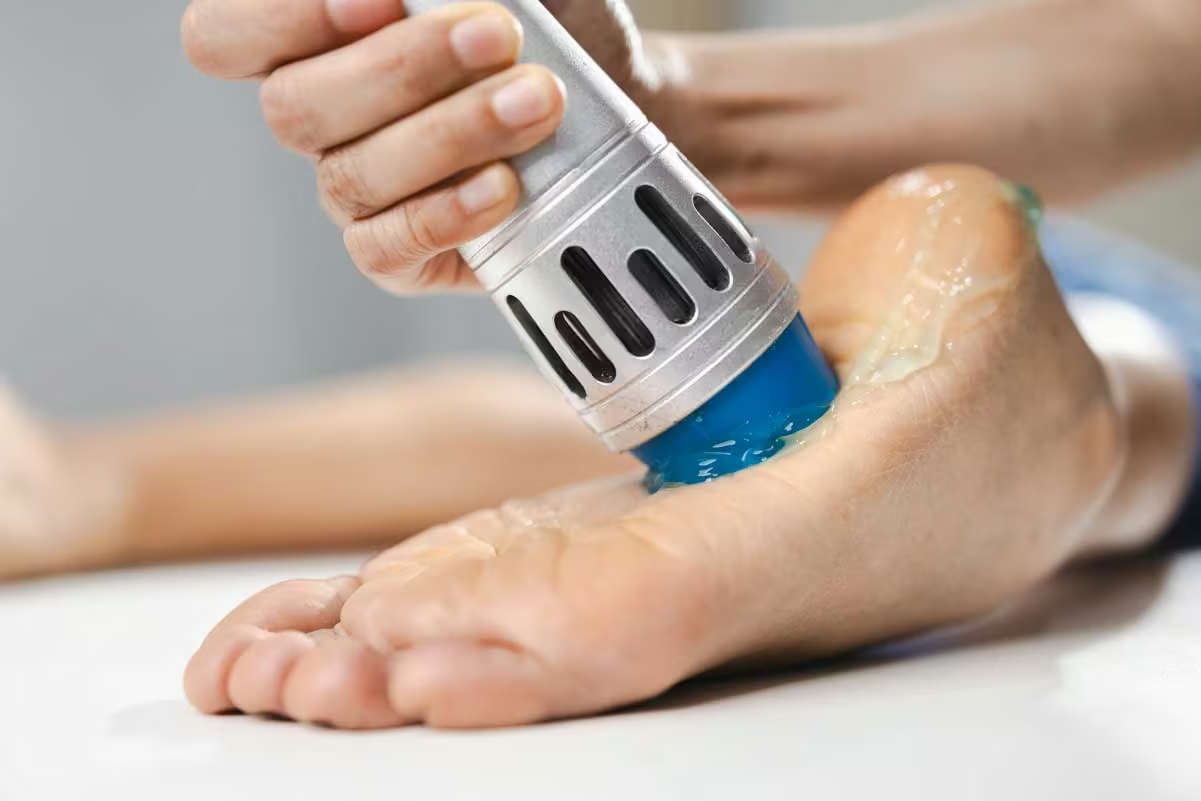
- Application of gel to the treatment area
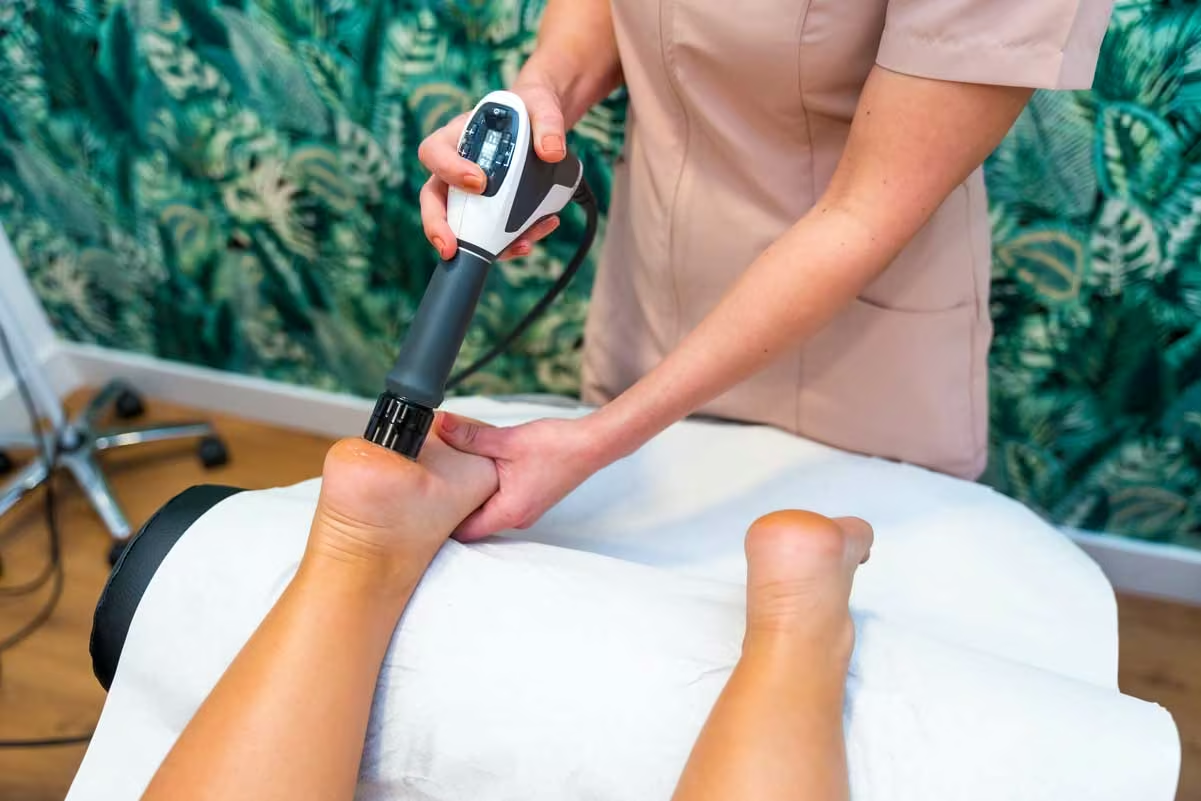
- Delivery of shockwaves to the affected tissue
- Treatment lasting approximately 5–10 minutes
- Advice on activity and aftercare
No injections or anaesthetic are required.
How Many Sessions are Needed
Most treatment plans involve:
- 3–5 sessions
- Sessions spaced one week apart
Improvement often builds gradually over the course of treatment and in the weeks that follow.
Is Shockwave Therapy Painful
Some discomfort during treatment is normal, particularly in sensitive areas. This is usually brief and well tolerated. Intensity can be adjusted to suit comfort levels.
Aftercare and Activity
After treatment we advise:
- Avoiding high-impact activity for 24–48 hours
- Continuing with prescribed exercises
- Gradually returning to activity as advised
Most people can walk normally straight after treatment.
When Shockwave Therapy May Not Be Suitable
Shockwave therapy may not be appropriate if you:
- Are pregnant
- Have a bleeding disorder
- Are taking certain blood-thinning medications
- Have an active infection at the treatment site
- Have a recent fracture in the area
Suitability is always assessed before treatment.
How Shockwave Fits Into Your Care
Shockwave therapy is often used alongside:
- Exercise-based rehabilitation
- Biomechanical and gait analysis
- Orthoses or insoles
- Footwear advice
- Load and activity management
It forms part of a structured treatment plan rather than a standalone solution.
FAQs
Frequently Asked Questions
Is shockwave therapy effective?
Yes. Strong evidence supports its use for chronic plantar fasciitis and Achilles tendinopathy.
Will I feel better straight away?
Some people do, but improvement is usually gradual over several weeks.
Can I work after treatment?
Yes. Normal daily activities are usually fine.
Does it replace exercises?
No. Exercises remain an important part of recovery.
Is shockwave better than injections?
They work differently. Shockwave stimulates healing, while injections reduce inflammation. The best option depends on the condition and individual.